Spring Office : (832) 898-3806 / Houston Office : (832) 434-5936
E-mail us: alrooterplumbingllc@gmail.com
24/7
Follow us:
Need Help Now? Call Houston Office
(832) 434-5936
Schedule Online

How to Use a Drain Snake: A Homeowner’s Guide to Conquering Clogs

We’ve all been there. You’re brushing your teeth or finishing the dinner dishes when you notice the water rising around your ankles or filling the sink. You grab the plunger, give it your best effort, and… nothing.

Before you panic and call a plumber for a $200 service visit, it’s time to meet your new best friend: the drain snake.

I remember the first time I tried to use a manual drain snake in my own bathroom. I thought I could just shove it down there and “drill” through the problem. Ten minutes later, I was covered in grey gunk, the clog hadn’t moved, and I was worried I’d cracked a pipe. I learned the hard way that there is a “right” way to do it.

Whether you’re using a Husky drain snake, a manual hand-crank model, or a drain snake with a drill attachment, here is exactly how to clear your pipes without a disaster.

What You’ll Need:

How Do You Properly Use a Drain Snake?

To unclog a drain effectively, you have to think of the snake as a “hook and grab” tool, not a battering ram.

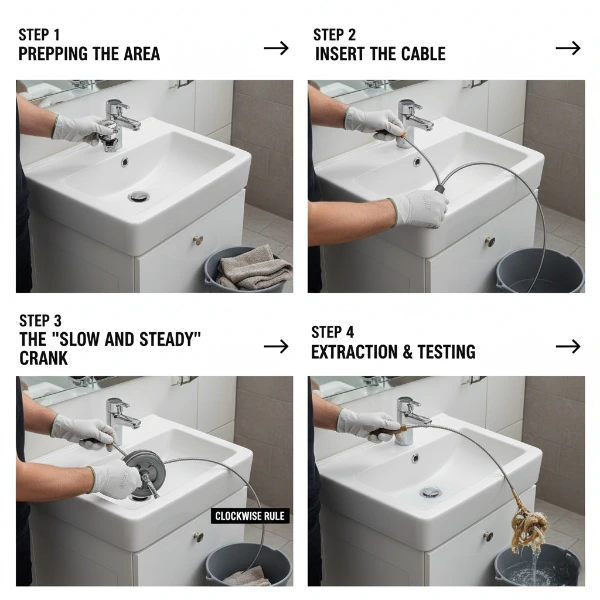
1. Prep the Area

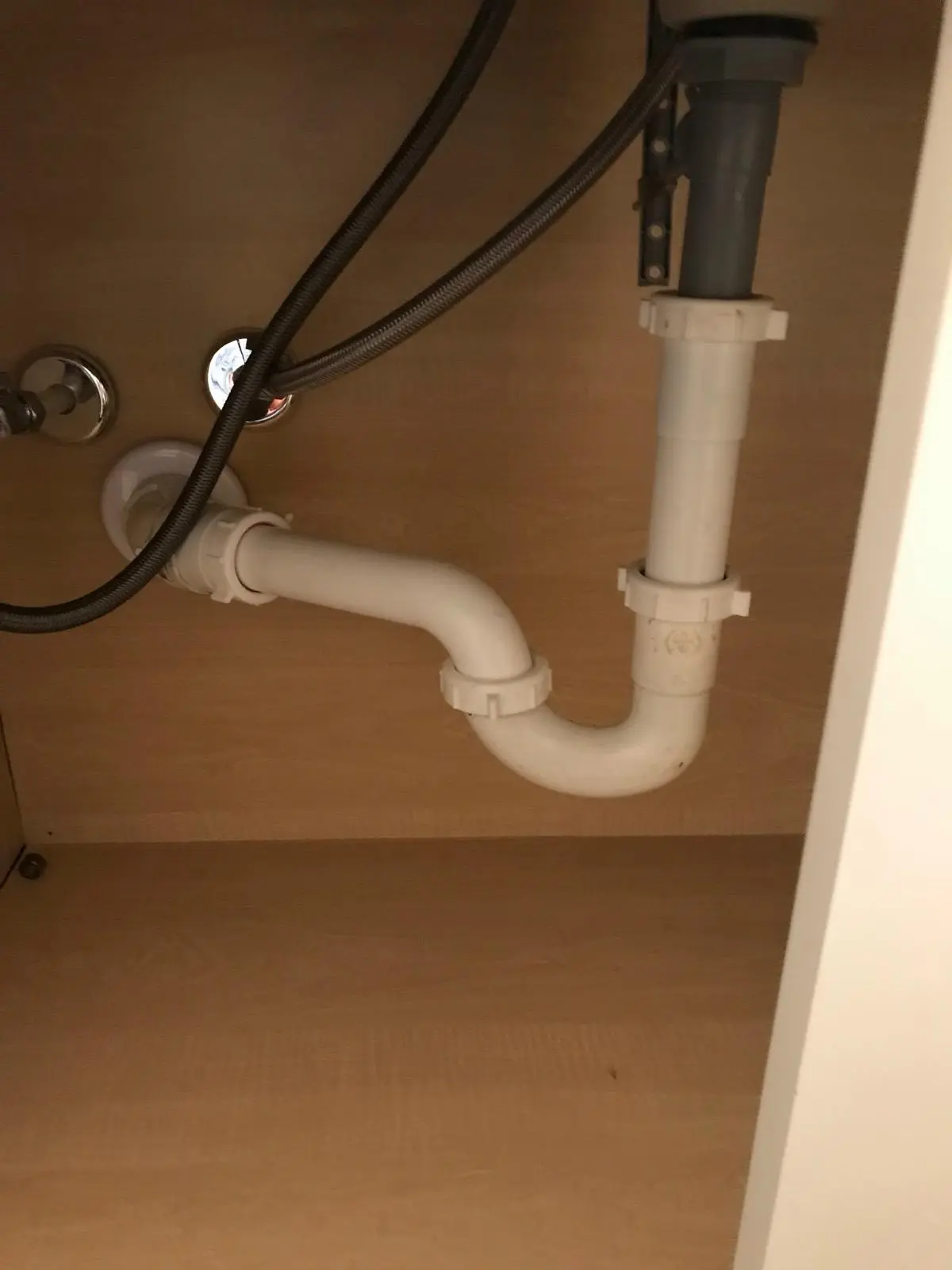
If you are learning how to use a drain snake for a sink, remove the pop-up stopper or the P-trap (the U-shaped pipe) underneath. For a toilet, you will use a specific drain snake auger designed not to scratch the porcelain.

2. Insert the Cable

Feed the tip of the how to use drain snake with handle model into the opening by hand.

3. The "Slow and Steady" Crank

Once you feel resistance, stop. Use the handle to rotate the cable clockwise. This rotation allows the "corkscrew" tip to bite into the clog (hair, grease, or wipes).

Retrieve the "Gifts

Don't try to push the clog further down. Once it feels heavy or "caught," slowly pull the cable back out. This is where the bucket comes in—be ready to grab the gunk as it emerges!

Pro Tip: If you are using a drain snake machine or a drain snake with drill, keep the speed low. High-speed spinning can cause the cable to "whip," which can damage your pipes or even your hands.

How to Use a Drain Snake with a Rooter: A Full Plumbing guide

Why Won’t My Drain Snake Go Down the Pipe?

This is the most common frustration. If your snake stops moving, it’s usually one of two things:

1. You’ve Hit a "Bend

Plumbing has 90-degree turns called elbows. If you hit a wall, don't just push. Crank the handle while applying gentle pressure to help the head "walk" around the corner.

2. The Clog is Too Solid

If you are in an older Texas home, you might be hitting a tree root or a "calcium bridge" caused by hard water. If the snake bounces back or feels like it's hitting a brick wall, stop. Forcing it can puncture a pipe.

Do You Apply Pressure When Working with an Auger?

Yes, but it should be firm, consistent pressure, not “slamming” pressure.

Think of it like a drill bit going into wood. You apply just enough weight so the tip stays engaged with the material. If you apply too much pressure to a manual snake, the cable will kink or loop back on itself inside the pipe, which can get it stuck permanently.

Do You Snake a Drain Wet or Dry?

Always snake a drain wet. Water acts as a lubricant for the cable. Furthermore, having water in the sink or tub gives you immediate feedback. When you successfully break the “seal” of the clog, you’ll see the water suddenly swirl and disappear. If the pipe is bone dry, it’s much harder for the snake to slide around tight turns.

When the DIY Ends and the Pro Begins

Learning how to use a drain snake tool is a superpower for homeowners, but it has its limits.

  1. Multiple Clogs: If your sink, shower, and toilet are all backed up, a hand snake won’t help. That’s a main sewer line issue.

  2. The “Metal” Sound: If you hear metal scraping on metal or a loud “thud” under the floor, you might be dealing with a collapsed pipe or a slab leak.

Don’t risk a flooded home. If you’ve tried the snake and the water still won’t budge, it’s time to bring in the heavy hitters.

Houston Homeowner Tip: Before you start snaking, check your outdoor cleanout (usually a white plastic pipe in your yard). If you see standing water there, the clog might be on the city’s side. You can report these issues to Houston Public Works by calling 311, which could save you the cost of a private plumber!


Need a Professional Hand?

Sometimes the “hair monster” wins. If you’re in Texas and your DIY snaking didn’t do the trick, don’t risk damaging your foundation or your pipes.

[Click here to schedule a professional drain cleaning] or call us today for a camera inspection to see exactly what’s hiding in your pipes!

Share:
Call Us Today (832) 434-5936