Understanding the cost to replace sewer line under slab is vital for protecting your home’s structural integrity. When a pipe fails beneath a concrete foundation, the complexity of the job increases significantly compared to standard yard repairs. This guide provides a detailed breakdown of 2026 market rates, labor variables, and material choices to help you navigate this significant home investment with confidence and clarity.
How Does Sewer Line Replacement Work?
Replacing a pipe beneath a concrete foundation requires specialized engineering. Unlike a standard sewer line replacement in a yard, sub-slab work involves navigating the very thing supporting your home. Plumbers typically use one of two primary methods to access the damaged area.
Tunneling Under the Slab
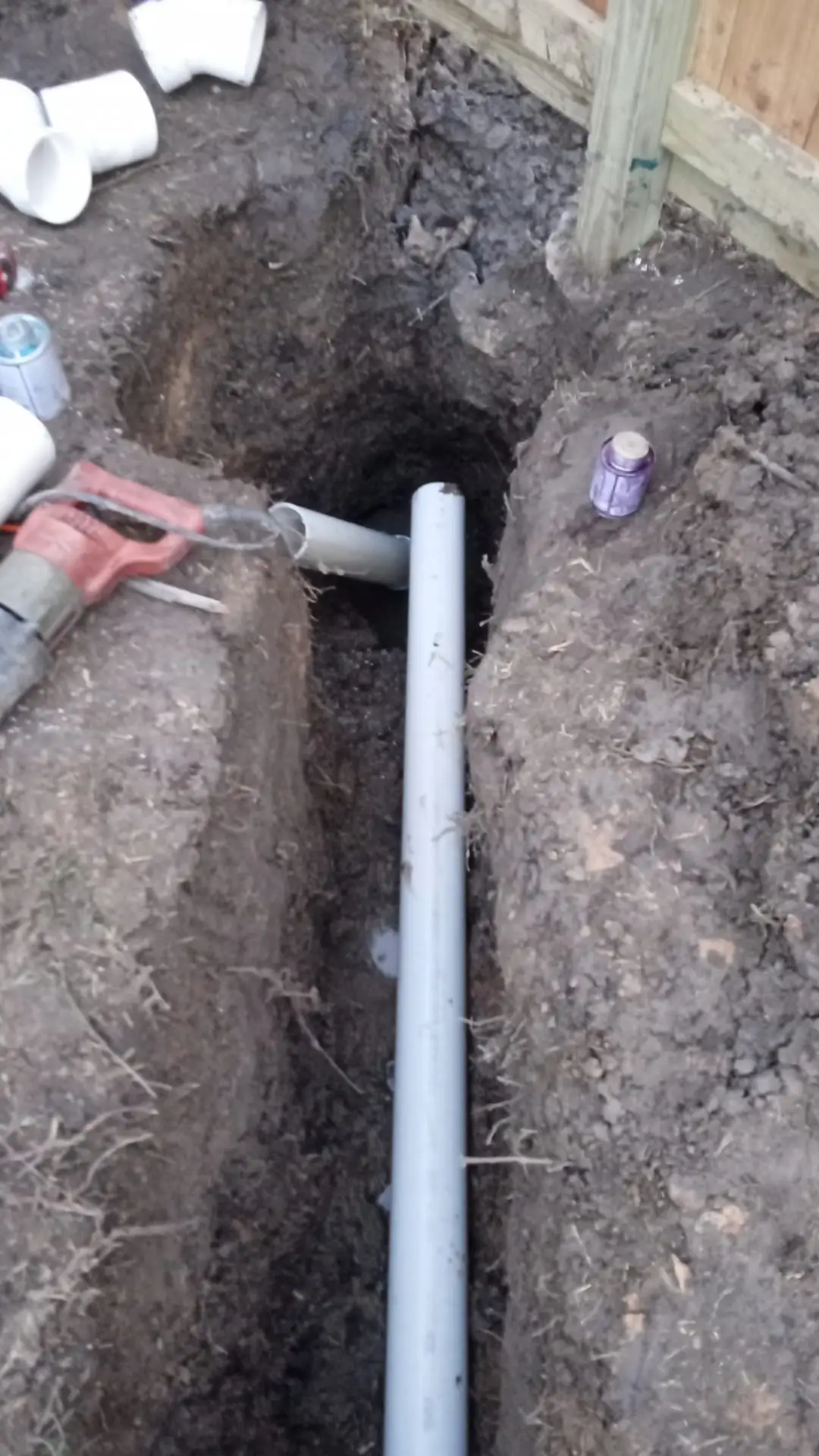
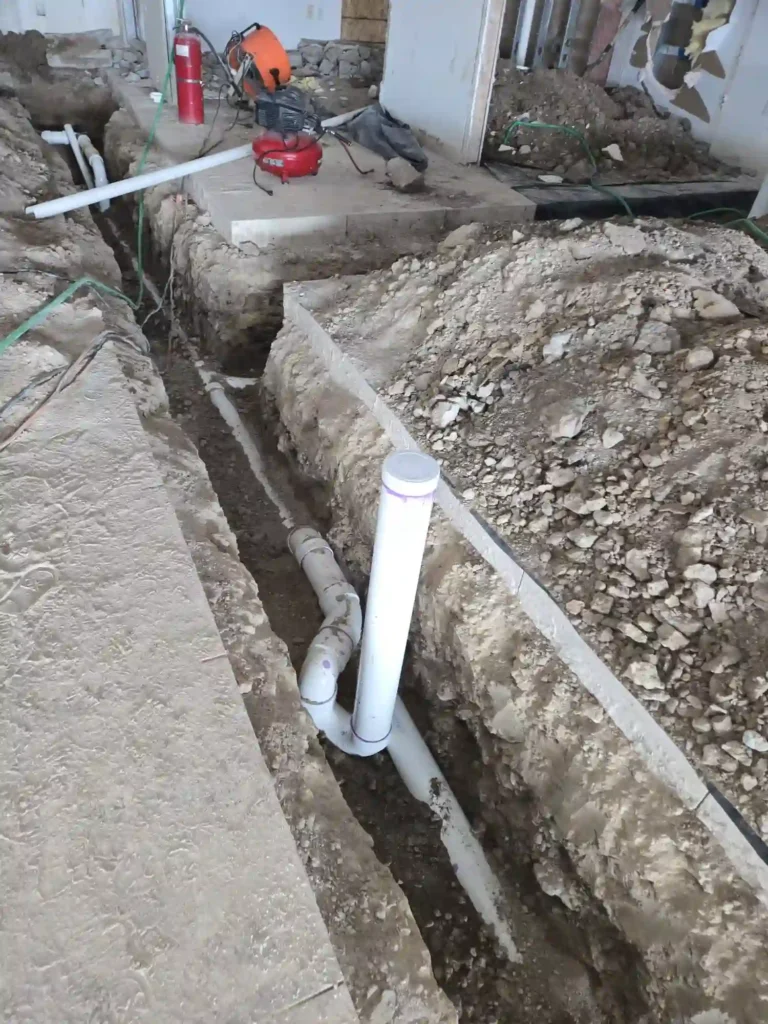
Tunneling is the preferred method for many Texas homeowners because it preserves the interior of the home. Crews dig horizontally beneath the foundation to reach the pipes. This allows the family to remain in the house during the process, though it often carries a higher labor price tag due to the manual excavation required.
Jackhammering Through the Floor
This traditional method involves breaking through your finished flooring and the concrete slab from the inside. While the plumbing access is more direct, the secondary costs for floor restoration and temporary relocation can be substantial. It is often used when sewer line repair is only needed for a very specific, localized spot.
What is the Cost to Replace Sewer Line Under Slab?
The total cost to replace sewer line under slab in 2026 typically ranges from $3,500 to $25,000. The wide range exists because no two slab foundations are identical in terms of depth and plumbing complexity.
When calculating your budget, some contractors provide an estimate based on the cost to replace sewer line under slab per square foot of the affected area, usually ranging from $150 to $400 per square foot for the excavation zone. On a linear foot basis, expect to pay between $200 and $500 per foot when tunneling is involved.
Sewer Line Replacement Cost by Material
The material chosen for your sewer line replacement affects both the longevity of the repair and the upfront price.
Material Type
Pros & Durability
2026 Avg. Cost (Installed/ft)
Schedule 40 PVC
Rust-proof, smooth flow, Texas industry standard.
$60 – $110
Cast Iron
Extremely quiet, high structural strength for heavy loads.
$130 – $220
HDPE (Trenchless)
Fused joints (no leaks), resists root intrusion, no digging.
$160 – $260
*Note: Costs are estimates for the Houston, TX market and vary based on excavation depth and soil conditions.
Several variables can quickly push the cost to replace sewer line under slab toward the higher end of the spectrum.
Depth of the Line: The deeper your sewer line sits beneath the dirt, the more soil must be removed and hauled away. Lines buried 4–6 feet deep require significantly more shoring and safety equipment than shallow lines, increasing labor hours.
Soil Composition and Location: In regions with expansive clay soil, such as Houston or Katy, the ground shifts constantly. This requires additional bedding materials like sand or gravel to protect the new pipes, adding to the material and transport costs of the project.
Additional Sewer Line Replacement Cost Considerations
Beyond the pipes and labor, you must account for “hidden” costs that are often excluded from the initial plumbing estimate.
Engineering Reports: If tunneling, a structural engineer may need to certify that the foundation is still supported.
Backfilling and Compaction: Soil must be pumped back into tunnels and compacted to prevent future slab sinking.
Permit Fees: Municipal permits in Texas can range from $200 to $1,000 depending on the scope of the work.
DIY vs. Professional Sewer Line Replacement Cost
If you find your sewer line backed up how to fix it might seem like a task you can handle with a rented snake or chemicals. While a simple clog is a DIY task, sub-slab replacement is not.
Why Professionals are Mandatory
Attempting to replace a pipe under a slab yourself can lead to a catastrophic foundation collapse. Professionals use hydro-excavation and specialized shoring to ensure the house remains level. The cost to replace sewer line under slab includes the price of insurance and warranties that protect your home’s resale value—something a DIY attempt cannot offer.
Ways to Save on Sewer Line Replacement Costs
While expensive, there are strategic ways to manage the total spend:
Camera Inspections: Always start with a high-definition video sewer crawl to ensure you aren’t replacing healthy pipes.
Insurance Riders: Check if your homeowner’s policy has a “Sewer Line” or “Service Line” endorsement.
Spot Repairs: If the rest of the system is healthy, a localized sewer line repair may save you thousands over a full replacement.
Is Sewer Line Replacement Worth It?
Investing in your sub-slab plumbing is essentially investing in the lifespan of your home. A leaking sewer line under a slab will eventually wash away the supporting soil, leading to foundation cracks that cost far more to fix than the plumbing itself. Furthermore, modern PVC or HDPE materials are designed to last 50–100 years, effectively eliminating this worry for the duration of your homeownership.
Avoiding Common Mistakes And Upsells
When reviewing quotes for the cost to replace sewer line under slab, stay alert for common industry upsells.
The “Whole House” Pressure: If a plumber tells you the entire system must be replaced because of one leak, ask for video proof of multiple failures.
Smoke Testing: While useful for finding gas leaks, it shouldn’t be the only tool used to justify a full slab excavation.
Vague Estimates: Ensure your quote includes backfilling, floor restoration (if jackhammering), and permit handling to avoid “surprise” invoices at the end of the project.
Lorem ipsum dolor sit amet, consectetur adipiscing elit. Ut elit tellus, luctus nec ullamcorper mattis, pulvinar dapibus leo.
Need an Accurate Sub-Slab Quote?
Don’t guess when it comes to your foundation. Contact Alrooter Plumbing for a professional diagnostic and a transparent breakdown of your repair options.
In most cases, standard homeowners insurance does not cover sewer line replacement. Standard policies only cover damage from “named perils” that are sudden and accidental, such as a fire, explosion, or a vehicle crashing onto your property.
Common issues that lead to failure—like tree root intrusion, gradual wear and tear, corrosion, and soil shifting—are considered maintenance responsibilities and are strictly excluded. To get coverage for the physical pipe, you typically need to add a Service Line Endorsement (also called Buried Utility Coverage) to your policy. Additionally, a Sewer Backup Endorsement is often needed to cover the water damage inside your home, though this does not pay to fix the pipe itself.
What is the life expectancy of a concrete sewer pipe?
The average life expectancy of a concrete sewer pipe is 75 to 100 years, provided it is properly maintained and not subjected to extreme conditions. While concrete is exceptionally strong and can withstand heavy structural loads, it is susceptible to chemical erosion.
Over several decades, hydrogen sulfide gas (common in sewer systems) can turn into sulfuric acid, which slowly “eats” the concrete from the inside out. In areas with highly acidic wastewater or significant ground movement, the lifespan may drop to 50–60 years. However, in ideal conditions with large-diameter pipes, some concrete systems have been known to function for over a century.