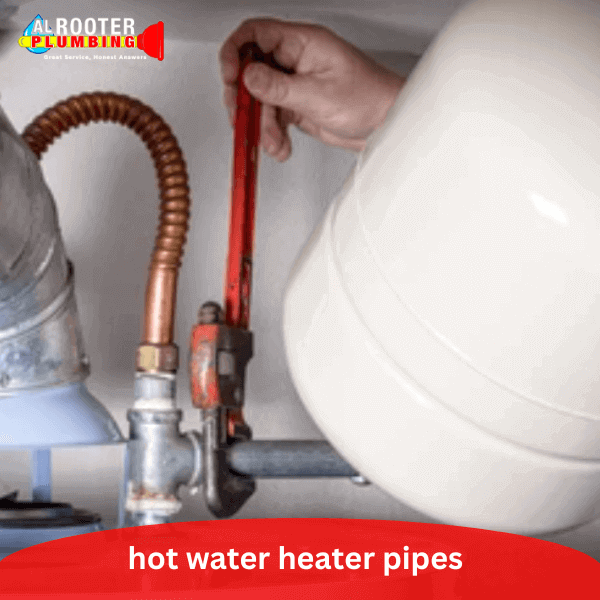
Hot water heater pipes play a crucial role in the functionality of water heating systems.
From identifying common issues to installation and maintenance, understanding the intricacies of these pipes is essential for efficient operation and safety.
What are the common issues with hot water heater pipes?
Hot water heater pipes can experience various issues that may affect the system’s performance.
Identifying leaks in the hot water supply line is a common problem that can lead to water wastage and potential damage to the surrounding area.
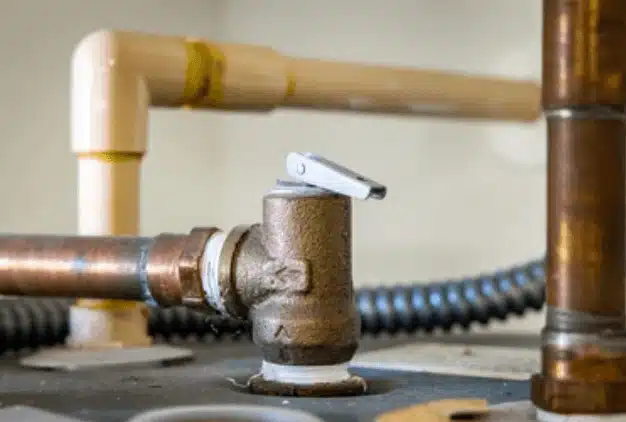
Pressure relief valve troubleshooting is another critical aspect as malfunctioning water heater valves can impact the safety and efficiency of the water heater.
Additionally, checking for corrosion in copper pipes is essential, as corrosion can lead to pipe deterioration and potential leaks.
How to install a new water heater and connect the pipes?
When installing a new water heater, connecting the pipes correctly is crucial for the system’s functionality.
Connecting CPVC pipes to the water heater ensures efficient and reliable water flow.
Installing the pressure relief valve and discharge pipe is vital for maintaining the safety of the system, and using flexible connectors for water line installation.
Safety considerations for hot water heater pipe
Several safety considerations are essential for hot water heater pipes.
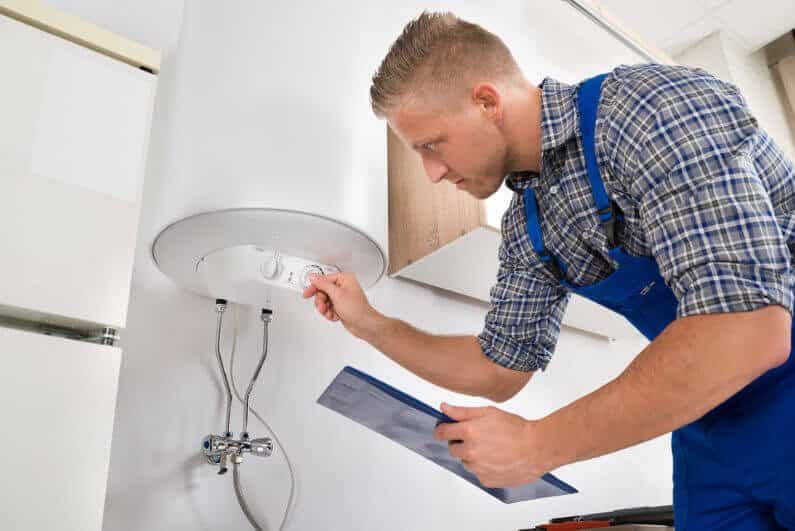
Adjusting water temperature to prevent scalding is crucial, especially in households with young children or elderly individuals.
Ensuring correct pressure and water flow in the pipes contributes to the system’s efficiency and safety, and checking the relief valve discharge point is necessary to prevent potential hazards.
How to maintain and troubleshoot hot water heater pipes?
Maintaining and troubleshooting hot water heater pipes is essential for the longevity and efficient performance of the system.
Regularly checking for water heater leaksand addressing water pressure issues helps prevent potential damage and water wastage.
Inspecting and cleaning the pressure relief valve is crucial for maintaining the system’s safety features.
What are the types of pipes used in hot water heater installations?
Copper pipes are commonly used in water heater connections due to their durability and reliability.
CPVC pipes are favored for their efficient water flow in heater systems, while exploring alternatives like flexible connectors and fittings provides adaptability and ease of installation.
FAQ for hot water heater pipes
Q: What should I do if my hot water heater relief valve is leaking?
A: If the pressure relief valve on your hot water heater is leaking, it may be due to high pressure inside the tank.
Q: How do I connect or fit the hot water heater pipes?
A: When connecting or fitting hot water heater pipes, it is essential to use the appropriate fittings and connectors for your specific type of water heater (e.g., gas or electric).
Q: Should I be concerned if there is water leaking from my hot water heater pipes?
A: Water leaking from hot water heater pipes can indicate various issues, such as a damaged or corroded pipe, loose fittings, or a malfunctioning pressure relief valve.
Q: How can I check the water pressure in my hot water heater?
A: To check the water pressure in your hot water heater, you can use a pressure gauge specifically designed for plumbing systems.
Q: Can I use copper pipes for my hot water heater installation?
A: Copper pipes are commonly used for hot water heater installations due to their durability and resistance to corrosion.
Q: What are the recommended materials for connecting hot water heater pipes?
A: When connecting hot water heater pipes, it is recommended to use materials such as copper, CPVC (Chlorinated Polyvinyl Chloride), or PEX (Cross-linked Polyethylene) for their durability and compatibility with hot water applications.