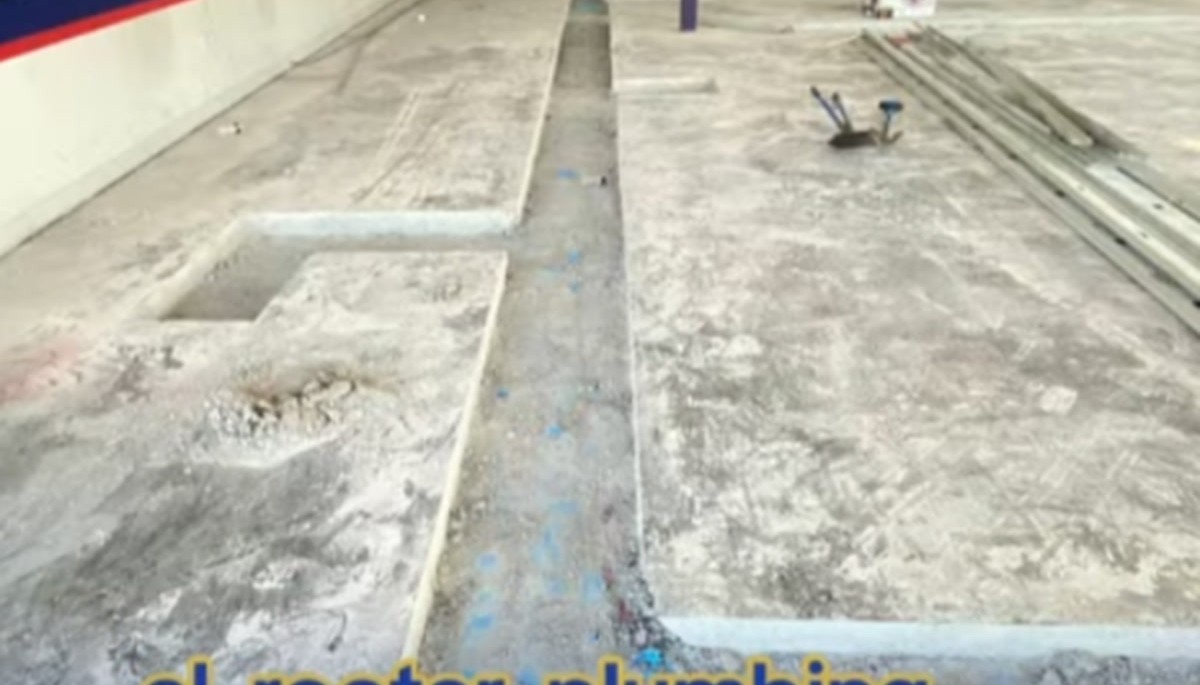
Underground Natural Gas Line Installation in Houston
Gas Lines
Running Natural Gas Line Underground
Underground natural gas lines give Houston homeowners a safer, cleaner, and more reliable way to bring fuel to grills, pool heaters, generators, and backyard additions without exposed piping around the property. At AL Rooter Plumbing, we install and service these lines every day, so we know how important it is to plan the project carefully from the start.
Why Homeowners Choose Underground Gas Lines
We often hear from Houston homeowners who are adding outdoor kitchens, standby generators, or new gas appliances and want the supply line tucked safely out of sight. Running the natural gas line underground offers several practical benefits that fit well with our climate and typical yard layouts in this area.
Safety: Less Exposure to Weather and Damage
Safety always comes first with gas work. When a line is buried, it is not sitting in the open where vehicles, lawn equipment, falling branches, or strong winds can hit it. Houston storms can be intense, and underground placement keeps the piping shielded from flying debris and constant sun exposure. With the line protected in the soil, we reduce the chance of accidental impact or damage that might occur if the pipe were mounted along a fence or exterior wall.
Reliability: Fewer Disruptions Over Time
Underground gas lines tend to deliver more reliable service because they are less affected by temperature swings, direct sunlight, and physical stress. We want your gas appliances to light when you need them, especially during power outages when a generator becomes essential. A properly installed underground line stays more stable over the years, with fewer interruptions caused by weather or accidental contact at the surface.
Aesthetics: No Visible Piping Around the Yard
Many homeowners invest a lot of time and money into landscaping and outdoor living spaces. Exposed gas piping can distract from that clean, finished look. When we run the gas line underground, you keep clear sightlines across the yard and patio. The only visible components are the connection points at the house and at the appliance, which we can usually position in low profile locations to blend with the rest of the design.
Efficiency: More Consistent Performance
Consistent performance matters for gas appliances, whether you are cooking on a grill or heating a pool. Underground lines are shielded from direct sun and wind, which helps maintain steady operating conditions along the run of pipe. When we size and install the line correctly, that protected environment supports more predictable gas flow so your equipment can perform as intended day after day.
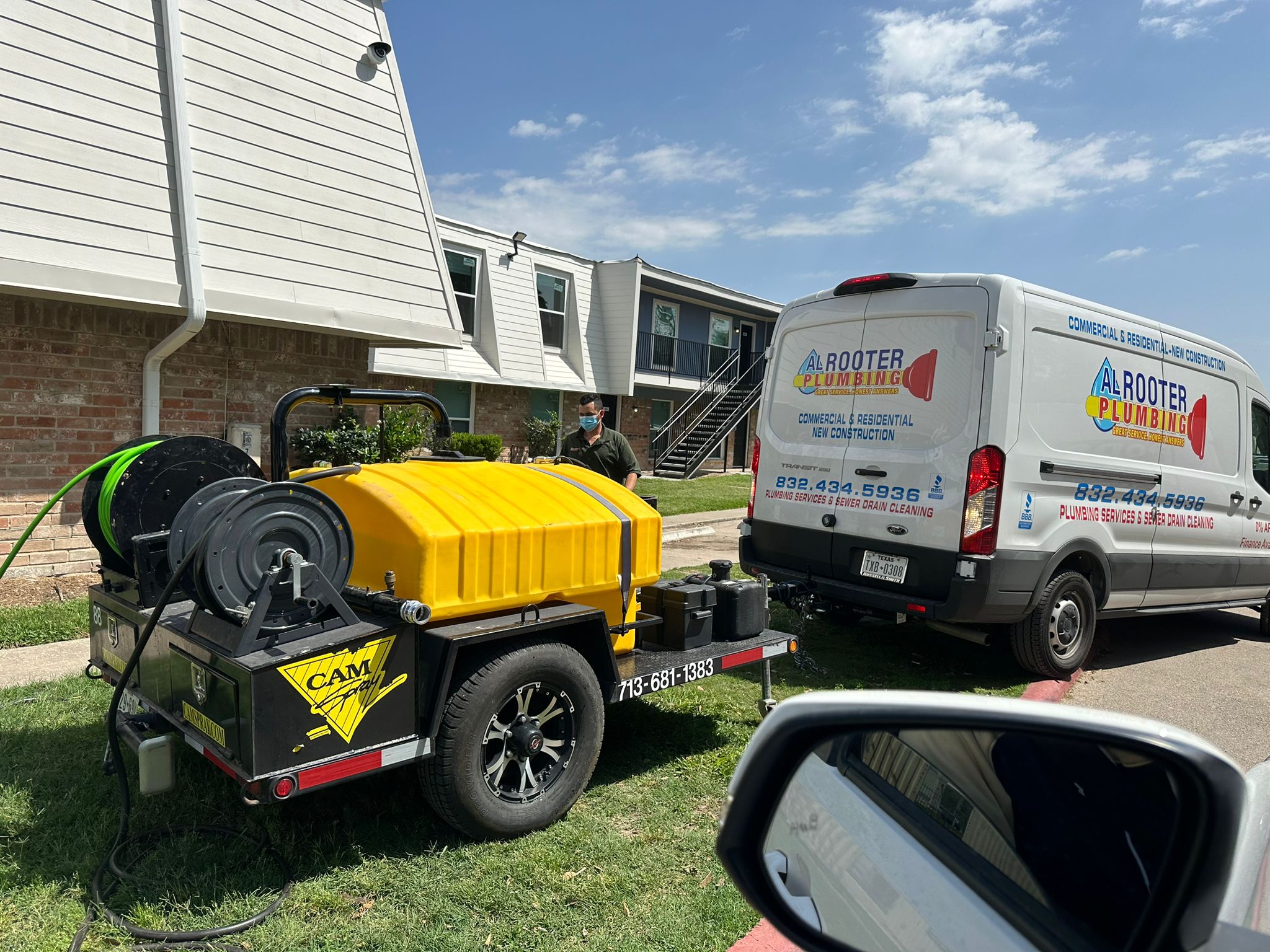
Clear markings help protect buried gas lines from future digging and yard projects.
Key Considerations When Running a Gas Line Underground
Installing an underground gas line is not just a matter of digging a trench and dropping in a pipe. There are important steps and requirements that we follow on every project to keep the system safe, code compliant, and ready for long term use. Here are the main factors we look at when planning work for Houston homes.
Permitting Before Any Excavation Begins
Before we touch a shovel, we make sure the proper permits are in place with the local authorities. Gas work and excavation are regulated for good reason. Permitting helps confirm that the scope of the job meets current rules and that inspections will take place at the right stages. For homeowners, this step provides peace of mind that the installation is being documented correctly and that the finished line is recognized by the city or county.
Burial Depth That Meets Local Regulations
Proper burial depth is another critical detail. Local regulations specify how deep a gas line must be to protect it from routine digging and surface activity. When we plan a route, we account for these depth requirements along the entire path, including any changes in grade. Meeting the specified depth helps shield the line from future fence posts, landscaping projects, and other work that might disturb shallower piping.
Durable, Corrosion Resistant Materials
Underground gas lines must stand up to soil conditions and moisture over many years. We use durable, corrosion resistant materials such as polyethylene or steel that are approved for gas service and suitable for burial. Choosing the right material for the application helps the line handle normal ground movement and contact with surrounding soil without breaking down prematurely. That durability is an important part of long term safety and performance.
Marking the Line to Prevent Future Damage
Once the line is in place, we do not want anyone to forget where it runs. Marking the location is a simple step that can prevent serious problems later. We clearly indicate the route so that future digging projects, new sprinkler systems, or tree planting do not accidentally hit the buried gas line. Visible markers and accurate notes give homeowners and other contractors a clear picture of what is below the surface.
Pressure and Leak Testing Before Backfilling
Before we close up the trench, we test the line under pressure to confirm that all connections are tight and that there are no leaks. This step is essential for safety and gives us a chance to address any issues while everything is still exposed. Only after the line passes pressure and leak testing do we proceed with backfilling. That way, the finished system is ready for inspection and everyday use with confidence.
How Project Difficulty Can Vary
Not every underground gas line installation is the same. Some projects are relatively straightforward, while others require more planning and labor. We always evaluate a few key factors when we look at a new job so homeowners know what to expect in terms of complexity and timeline.
Terrain: Yard slope, soil conditions, and hard surfaces like driveways or patios can affect how we route the line and how we dig.
Line length: A short run from the meter to a nearby grill is very different from a long run to a detached building or far corner of the property.
Existing obstructions: Other underground utilities, tree roots, and structures influence the path we can safely take.
Local regulations: Specific rules in the Houston area shape how we design and install the system, from routing to depth and inspection stages.
By taking these elements into account, we can give you a realistic plan that fits your property and your goals while staying within the requirements that apply in your part of the Houston region.
Get Help with Underground Gas Line Projects in Houston
Running a natural gas line underground offers clear benefits in safety, reliability, appearance, and day to day performance, but it also comes with important permitting, material, and testing requirements. As a licensed plumbing company serving Houston and the surrounding areas, we take those details seriously on every job. If you are not comfortable handling this type of project yourself or the work turns out to be more involved than you expected, AL Rooter Plumbing is here to help.
