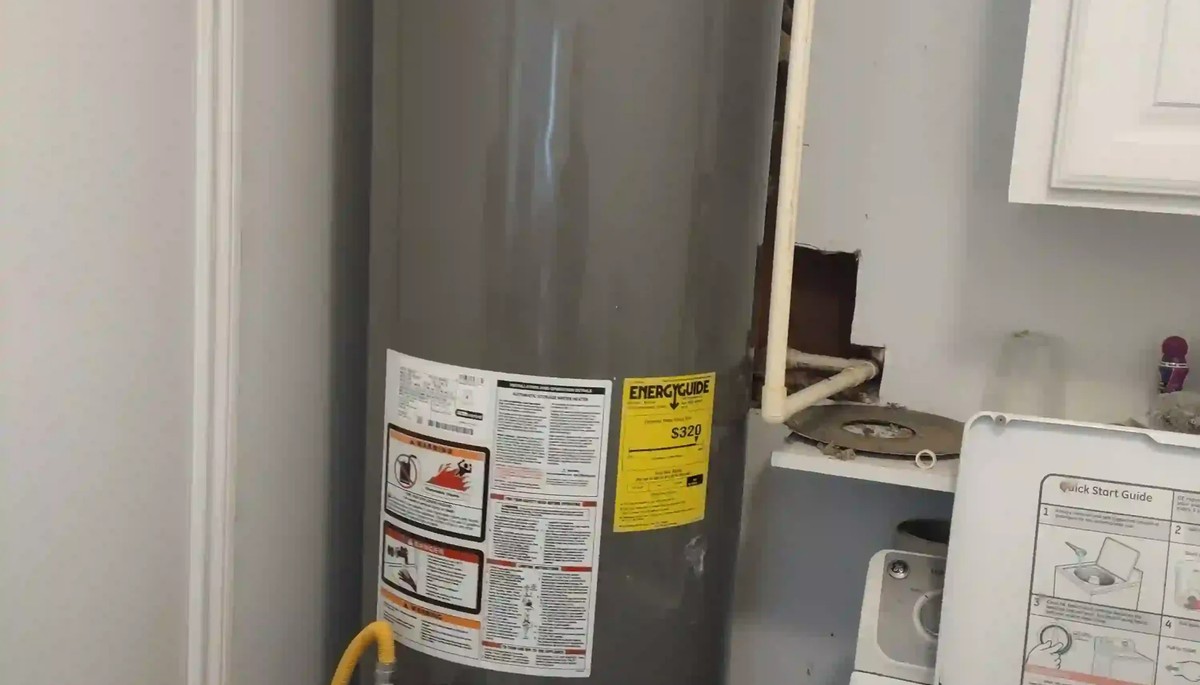
Install an Expansion Tank on Your Water Heater
Water Heaters
How to Install an Expansion Tank on Your Water Heater
An expansion tank regulates pressure in your water heater system and helps prevent stress and damage when water expands as it heats. At AL Rooter Plumbing, we install these tanks every day around Houston, and we know they play a big role in keeping a water heater running safely and reliably. With the right tools and a bit of patience, many homeowners can add this protection to their own system and feel confident about the result.
What an Expansion Tank Does for Your Water Heater
When water heats up inside your water heater, it expands. That extra volume needs somewhere to go. Without an expansion tank, the pressure inside your plumbing system can rise. Over time, that pressure can put strain on your water heater, valves, and fixtures. In some homes, it can even shorten the life of the water heater or lead to leaks at fittings and connections.
An expansion tank acts like a small cushion for that expanding water. It absorbs the pressure changes and helps keep everything at a safer, more stable level. We like to think of it as a simple insurance policy for your water heater system. It works quietly in the background, but it can make a noticeable difference in how smoothly your hot water system operates over the years.
Before You Start: Tools, Sizing, and Safety
If you are comfortable with basic home improvement projects, installing an expansion tank can be a manageable job. We always tell Houston homeowners to start with preparation. A little planning makes the actual work smoother and helps prevent mid project surprises that can slow you down or lead to mistakes.
1. Gather the Right Tools and a Correctly Sized Tank
The first step is to gather the right tools and a correctly sized expansion tank and fittings for your specific water heater model. You want a tank that matches the size and type of your water heater and works with your home water pressure. You also need threaded fittings that match the piping near your heater, along with plumber's tape for the connections. Having everything on hand before you start keeps the project focused and helps you finish in one session instead of making repeated trips to the store.
2. Shut Off the Water Supply First
Before you touch any piping, shut off the water supply to the water heater. This is a simple but critical safety step. Turning off the water helps prevent unexpected sprays, protects your tools and workspace, and gives you time to work carefully. We always double check that the valve is fully closed so the system stays stable while we install the tank.
Shutting off the water supply keeps the installation controlled and reduces the chance of leaks.
Positioning and Mounting the Expansion Tank
3. Install the Tank Near the Water Heater
Once the water is off and your tools are ready, you can move on to placing the tank. The expansion tank is typically installed directly above the water heater. It can be positioned vertically or horizontally depending on the space you have available. In many Houston homes, the water heater sits in a garage or utility closet, so we look for a spot that keeps the tank accessible while still out of the way of daily activity. A solid, secure mounting is important so the tank stays supported over time.
Making the Connections and Adding an Isolation Valve
4. Connect the Tank with Threaded Fittings and Plumber's Tape
After the tank is in place, it is time to connect it to the water heater. We use threaded fittings that match the plumbing near the heater. Before tightening those fittings, we wrap the threads with plumber's tape. That tape helps create a leak free seal at the connection points. Taking a moment to wrap the threads neatly and tighten the fittings evenly can save you from slow drips and future headaches. We always check that each connection feels snug and properly aligned before moving on.
5. Install an Isolation Valve Before the Tank
The final key step is to install an isolation valve before the expansion tank. This valve lets you shut off the tank independently later if you ever need to service or replace it. We like this feature because it makes future maintenance much easier. Instead of shutting down the entire water heater system, you can simply close the isolation valve and work on the tank itself. For a homeowner, that small detail can mean less disruption and a faster repair if anything ever changes with the tank in the future.
Can Homeowners Install an Expansion Tank Themselves
Many Houston homeowners can handle this project with the right tools and a clear plan. If you are comfortable turning off water, working with threaded fittings, and taking your time, an expansion tank installation can be a satisfying improvement you make yourself. We always recommend moving slowly, checking each step as you go, and keeping a towel or small bucket nearby just in case a bit of water remains in the line when you start working.
After the tank and isolation valve are installed, you can turn the water supply back on gradually and watch for any signs of leakage around the new fittings. A few minutes of careful observation at this stage helps confirm that your plumber's tape and connections are doing their job. Once everything looks dry and solid, your expansion tank is in place and ready to help regulate pressure in your system.
Local Codes and When to Call a Licensed Plumber
Around Houston and many surrounding communities, expansion tanks are often required by local plumbing code when a water heater is installed. That requirement helps protect both the home and the public water system from pressure related problems. Even if you feel confident doing the physical work, a licensed plumber can confirm that the installation meets current code and follows best practices for your specific area and type of home.
At AL Rooter Plumbing, we stay up to date on Houston plumbing codes and common inspection points, so we know what local inspectors expect to see when they look at a water heater and expansion tank. If you prefer, we can handle the entire installation for you, or we can review your setup and make any adjustments needed so you feel confident about safety and compliance.
If you are not comfortable installing an expansion tank yourself or you want to be sure the work will pass code in the Houston area, we at AL Rooter Plumbing are always available to help.
