Gas Line Installation for New Range in Houston
Gas Lines
Gas Line for Range Installation
Installing a new gas range is an exciting upgrade for any Houston kitchen, but the gas line that feeds that range deserves just as much attention as the appliance itself.
What a Gas Line for a Range Actually Is
When we talk about a gas line for range installation, we are talking about a specific section of gas piping that delivers natural gas directly to your stove or cooktop. It is the dedicated path that carries fuel from your home’s main gas supply to the burner system inside the range. Without the right gas line in place, even the best appliance will not perform the way it should and it will not be as safe as it needs to be for everyday cooking in your home.
In many Houston homes, there is already a gas stub out in the wall or floor behind the range location. The gas line for the range is the set of parts that connect that stub out to the appliance itself. It might look simple from the outside, yet each piece plays a specific role in controlling and delivering gas safely so you can cook with confidence.
The Shut Off Valve: Your First Line of Control
Every gas line serving a range should include a shut off valve. This valve allows you to isolate the gas supply to the range when you need to. If you ever smell gas, plan to move the appliance, or schedule service on the range, that shut off valve is the control point that lets you stop gas flow quickly and safely to that specific appliance while the rest of the home stays supplied as normal.
We always place the shut off valve in a location that is accessible once the range is pulled forward. That way you or a service technician can reach it without tearing into walls or floors. Having that clear control point gives homeowners peace of mind, because you know there is a simple way to stop gas going to the range during maintenance or in an emergency situation.
The Flexible Metal Connector: Linking the Line to the Range
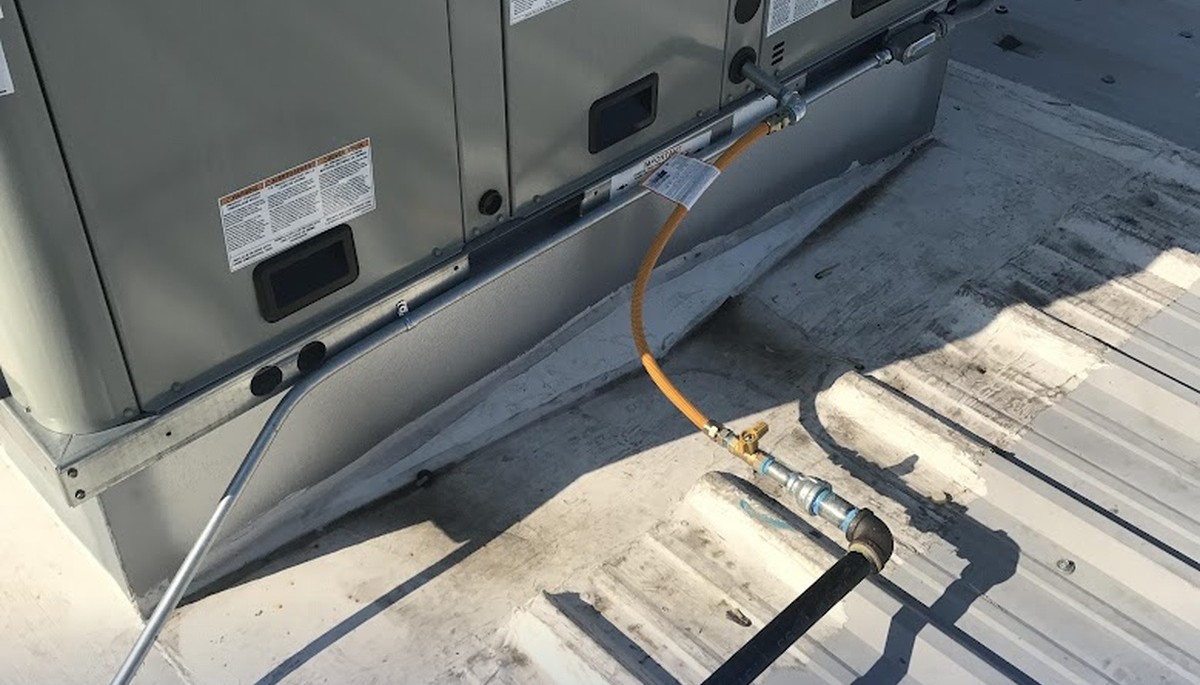
Between the shut off valve and the range itself, we use a flexible metal connector. This is a corrugated stainless steel line designed to connect the rigid gas piping in your home to the gas inlet on the back of the appliance. The corrugated design lets the connector bend gently so the range can be slid in and out for cleaning or service without putting strain on the gas piping or fittings.
The flexible connector may look like a simple piece of tubing, yet it is carefully sized and rated for gas service. We match the connector to the requirements of your specific range and to the gas supply it will receive. Using a connector that is too small or not approved for that application can cause performance issues or create unsafe conditions, which is why we pay close attention to this detail on every installation we handle in the Houston area.
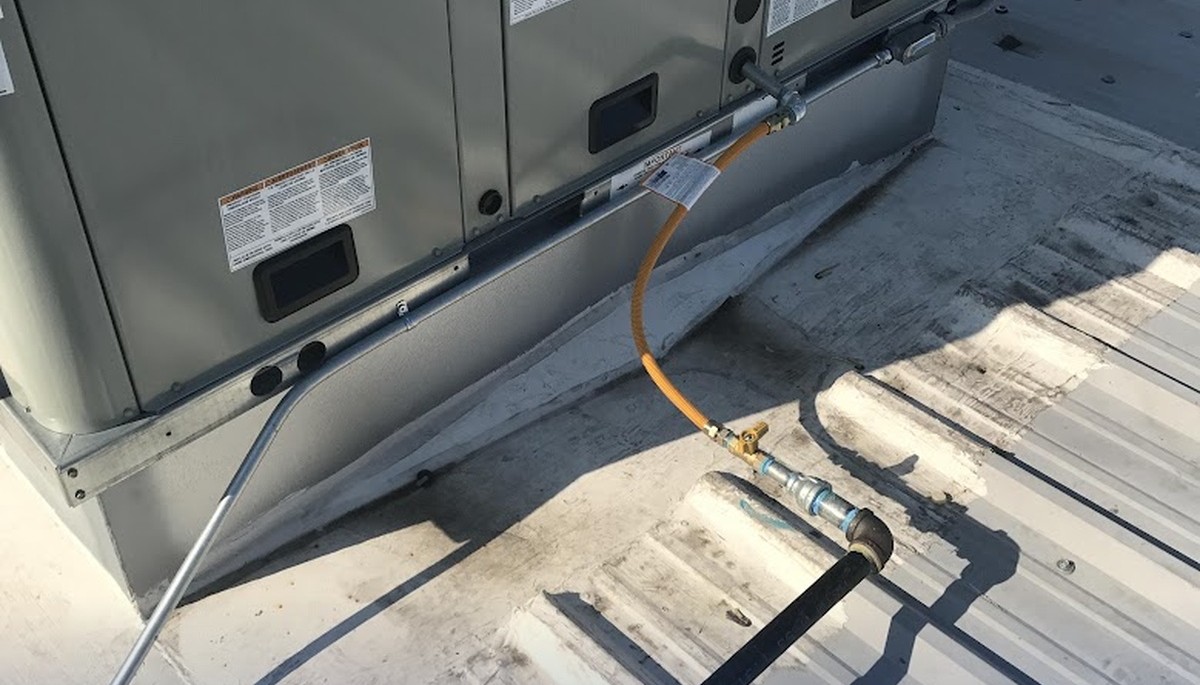
A properly sized flexible connector helps the range move while keeping the gas connection secure.
Optional Rigid Piping: Copper or Black Iron
Depending on where the existing gas line is located, we may also work with rigid piping as part of a range installation. This can be copper or black iron piping that extends or adjusts the path of the gas supply so it lines up correctly with the shut off valve and the flexible connector behind your range. The choice between copper and black iron depends on the layout and what is already in place in your home.
Our focus with any rigid piping is to create a solid, secure route for gas to travel before it reaches the flexible connector. We plan the path so the piping is protected from damage, supported as needed, and arranged in a way that allows the appliance to sit in the correct position against the wall. This helps your new range look right and function properly without awkward gaps or strain on the connections.
Choosing the Correct Size and Type of Gas Line
One of the most important parts of any gas line for range installation is choosing the correct size and type of line. Every range manufacturer provides instructions that spell out what the appliance needs in order to operate safely. That includes the type of gas connector, the size of the line, and other basic requirements that must be followed. We always refer to those instructions so the installation matches what the manufacturer expects.
In addition to the manufacturer’s directions, gas line work must meet relevant safety codes. These codes exist to protect your home and family, and they set clear expectations for how gas piping should be selected and assembled. When we install or adjust a gas line for a range in Houston or the surrounding communities, we keep both the manufacturer’s requirements and applicable codes in mind from the first fitting to the final connection.
DIY vs Calling a Licensed Plumber
Some homeowners feel comfortable tackling parts of a range installation on their own. You might be handy, have installed other appliances, and be tempted to handle the gas line yourself. We understand that interest in doing projects around the house. At the same time, it is important to remember that gas line work carries real risk if anything is done incorrectly or if a step is missed along the way.
If you are not fully comfortable with gas piping, fittings, and the specific requirements of your range, it is wise to bring in a licensed plumber. A professional can help make sure the shut off valve, flexible connector, and any rigid piping are installed correctly and that the entire system is checked before the range is put into regular use. That kind of careful approach helps reduce the chance of gas leaks and gives you confidence every time you turn a burner knob.
At AL Rooter Plumbing, we work with Houston homeowners every day on practical projects like gas line installations for new ranges. We know you want a kitchen that looks great and works the way it should, and we respect that you may want to be involved in the process. If at any point you feel unsure about the gas line portion of the job or if the project grows beyond what you expected, we are here to step in and help you finish it safely and correctly.
