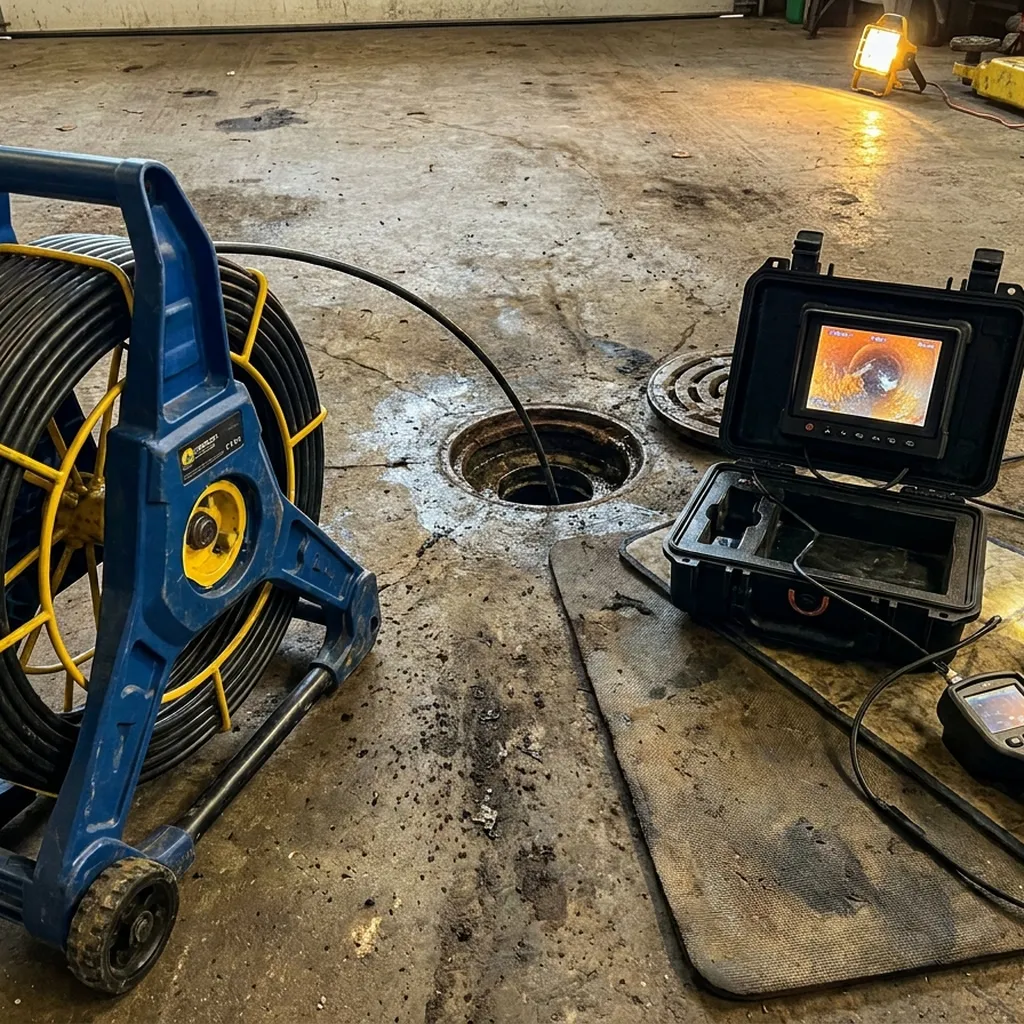
Cast iron sewer pipe corrosion is a common issue in aging plumbing systems. Over time, exposure to moisture, oxygen, and various chemicals causes cast iron pipes to deteriorate, leading to rust, leaks, and even complete failure. This corrosion not only disrupts the efficiency of sewage flow but can also cause costly repairs and health hazards due to potential wastewater leaks. Recognizing and addressing pipe corrosion early can prevent these issues and extend the lifespan of your plumbing infrastructure.
Cast iron sewer pipe corrosion is prone to corrosion over time, primarily due to prolonged exposure to moisture and chemicals in wastewater.
This corrosion process is accelerated by the acidic nature of sewage and the presence of hydrogen sulfide gas, which reacts with water to form sulfuric acid, further degrading the pipe’s inner surfaces.
The corrosion of cast iron sewer pipes can lead to rust buildup, weakening the pipe walls, and potentially causing leaks or even structural failures.
Common signs of cast iron sewer pipe corrosion include slow drainage, foul odors, and visible rust spots on the pipe’s exterior.
Regular maintenance and inspections can help identify corrosion early, potentially extending the life of these pipes and preventing costly repairs.
Don’t wait for a disaster! Contact us today for expert sewer line plumbing service and ensure your home is safe and sound.
Yes, cast iron pipes are vulnerable to corrosion, especially in sewer and drain applications.
Cast iron sewer pipe corrosion and cast iron drain pipe corrosion occur when these pipes are exposed to moisture, chemicals, and gases in wastewater, which accelerate the rusting process.
Over time, substances like hydrogen sulfide can react with water to produce sulfuric acid, which aggressively attacks the pipe’s interior surfaces.
This leads to rust, thinning pipe walls, and eventual leaks or structural failures. Corrosion in cast iron sewer and drain pipes is often signaled by slow drainage, unpleasant odors, or visible rust on the pipe exterior.
Regular inspections and maintenance can detect early corrosion, helping to prevent more serious damage and costly repairs in the long term.
Corrosion in sewer pipes, especially cast iron sewer pipes, is primarily caused by constant exposure to moisture, oxygen, and chemicals present in wastewater. Over time, this exposure leads to rust and weakening of the pipe structure, which can result in leaks, blockages, and even complete pipe failure if untreated.
Proactive maintenance is essential to manage cast iron sewer pipe, reducing the risk of extensive damage and high replacement costs.
Repairing cast iron sewer pipes is a necessary solution when dealing with cast iron sewer pipe corrosion, cast iron drain pipe corrosion, and the question of do cast iron drain pipes rust.
Over time, these pipes deteriorate due to constant exposure to moisture and chemicals in wastewater, leading to rust, leaks, and blockages. Repair options can effectively address damage without needing a full pipe replacement.
Need Help Now? Call Houston Office (832) 434-5936 AL Rooter Plumbing
Removing rust from cast iron sewer pipes is crucial for managing cast iron sewer pipe and maintaining plumbing efficiency. Rust buildup in the plumbing main line or areas with cast iron waste pipe corrosion can lead to clogs, leaks, and reduced water flow.
By addressing rust and corrosion promptly, you can avoid expensive repairs and prolong the life of your cast iron pipes. Regular maintenance ensures your plumbing system remains functional and efficient.
Cast iron pipes, though durable, are vulnerable to cast iron sewer pipe corrosion and cast iron sewer pipe rust over time. Exposure to moisture, chemicals, and oxygen weakens the pipes, leading to potential plumbing issues.
Prompt inspection and timely repairs by AL Rooter Plumbing can prevent cast iron sewer pipe rust and corrosion, preserving your plumbing system’s integrity and avoiding expensive damage.
Regular inspections of cast iron pipes are crucial for maintaining your property’s plumbing system. Cast iron sewer pipe corrosion and cast iron drain pipe rust can cause leaks, clogs, and extensive damage if left unchecked. Early detection can save you from costly repairs and preserve the functionality of your pipes.
Routine inspections in Spring, TX help manage cast iron sewer pipes and keep your plumbing system functioning efficiently.
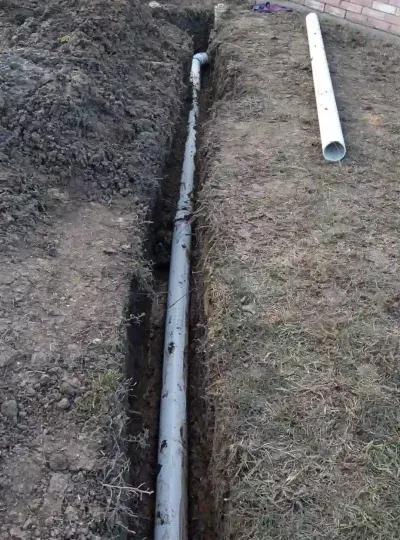
Modern solutions like trenchless technology offer significant advantages when dealing with cast iron sewer pipe corrosion. Traditional repair methods often require extensive digging, but trenchless techniques provide a more efficient, less disruptive option for repairing or replacing damaged pipes.
Hire AL Rooter for professional plumbing repair and experience reliable, efficient service. Our expert team specializes in solving plumbing issues in Houston, TX from routine maintenance to complex repairs. Whether you need assistance with cast iron sewer pipe corrosion, pipe replacements, or emergency plumbing, AL Rooter has the tools and expertise to get the job done right. Trust us for fast, affordable, and high-quality plumbing solutions tailored to your needs.
Choose AL Rooter for trusted plumbing solutions, ensuring efficient repairs, prevention of pipe issues, and long-lasting results. Our expertise in handling cast iron sewer pipe corrosion keeps your system running smoothly.
Need Help Now? Call Houston Office (832) 434-5936 AL Rooter Plumbing
Yes, there are alternatives to traditional cast iron for sewer pipes. Materials like PVC, ABS, and ductile iron are commonly used due to their durability and resistance to corrosion.
Cast iron over time, leading to blockages and leaks, which can be costly to repair. Alternatives like PVC are lighter, easier to install, and less rust-prone.
Sewer line installation cost per foot for these modern materials can range from $50 to $200, making them a more affordable and long-lasting option compared to cast iron pipes.
The lifespan of cast iron sewer pipes typically ranges from 50 to 100 years, depending on factors like soil conditions, water quality, and maintenance.
Over time, cast iron sewer pipe corrosion and rust naturally occur due to prolonged exposure to moisture and chemicals in wastewater.
Proper maintenance, like inspections and early repairs, can extend the lifespan of cast iron pipes. However, if left unchecked, corrosion can lead to costly repairs and the need for full pipe replacement.
Temperature changes can significantly affect cast iron sewer pipes. Extreme cold causes the material to contract, while heat expands, potentially leading to cracks and stress on the pipes.
Over time, these temperature fluctuations contribute to cast iron sewer pipe corrosion, weakening the structure and increasing the risk of leaks and blockages.
In colder climates, freezing and thawing cycles can also cause the pipes to shift or break. Early cast iron sewer pipe repair is crucial, and methods like trenchless sewer line replacement offer an efficient, non-invasive solution to address damage caused by temperature-related wear.
| M | T | W | T | F | S | S |
|---|---|---|---|---|---|---|
| 1 | 2 | 3 | 4 | 5 | 6 | 7 |
| 8 | 9 | 10 | 11 | 12 | 13 | 14 |
| 15 | 16 | 17 | 18 | 19 | 20 | 21 |
| 22 | 23 | 24 | 25 | 26 | 27 | 28 |
| 29 | 30 | 31 | ||||